
Have you noticed a bony protrusion on the side of your big toe? If so, you may have developed the foot condition known as a bunion. Don't let bunions interfere with your daily activities.
Have you noticed a bony protrusion on the side of your big toe? If so, you may have developed the foot condition known as a bunion. Don't let bunions interfere with your daily activities.
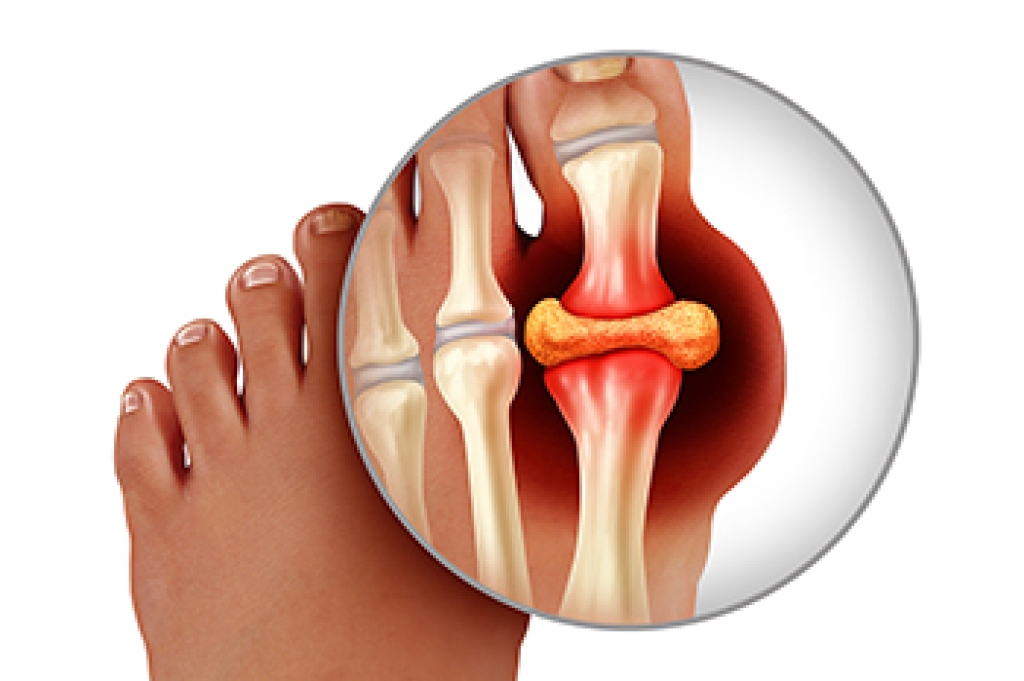
Gout is a type of arthritis caused by a buildup of uric acid crystals in the joints, often affecting the big toe, but also the foot and ankle. Symptoms include sudden, severe pain, redness, swelling, and warmth in the affected joint, making walking or standing difficult. Risk factors include a diet high in purines, obesity, genetics, alcohol consumption, and certain medical conditions. Repeated gout attacks can lead to joint damage, decreased mobility, and long-term discomfort. A podiatrist can diagnose gout, recommend lifestyle adjustments, prescribe medication, and provide care to reduce pain and prevent future attacks. Early intervention helps protect joint health and improve mobility. If you have gout symptoms in your big toe or foot, it is suggested that you promptly consult a podiatrist who can help you to manage this painful condition.
Gout is a painful condition that can be treated. If you are seeking treatment, contact Raul Hidalgo DPM from South Texas Foot & Ankle Care. Our doctor will treat your foot and ankle needs.
What Is Gout?
Gout is a form of arthritis that is characterized by sudden, severe attacks of pain, redness, and tenderness in the joints. The condition usually affects the joint at the base of the big toe. A gout attack can occur at any random time, such as the middle of the night while you are asleep.
Symptoms
Risk Factors
Prior to visiting your podiatrist to receive treatment for gout, there are a few things you should do beforehand. If you have gout you should write down your symptoms--including when they started and how often you experience them, important medical information you may have, and any questions you may have. Writing down these three things will help your podiatrist in assessing your specific situation so that he or she may provide the best route of treatment for you.
If you have any questions, please feel free to contact our office located in San Antonio, TX . We offer the newest diagnostic and treatment technologies for all your foot care needs.

If left untreated, an ingrown toenail can lead to more serious concerns, such as an infection. Knowing proper nail care can help in the prevention of an ingrown toenail. Give us a call, and get treated!

Heel pain can make standing and walking difficult. Several conditions can cause pain in the heel. One common cause is plantar fasciitis, which occurs when the plantar fascia becomes irritated. The plantar fascia is a thick band of tissue that connects the heel bone to the front of the foot. This condition often causes sharp pain when people first begin walking after rest. Achilles tendonitis is another cause. It develops when the Achilles tendon, which connects the calf muscles to the heel bone, becomes inflamed from overuse. Heel bursitis can also lead to pain. Bursae are small fluid-filled sacs that reduce friction around joints, and when they become inflamed, pain and swelling may occur. In some cases, heel pain may result from a fracture, which is a break in the heel bone. A podiatrist can determine the exact cause of heel pain and provide proper treatment. If you are experiencing heel pain, it is suggested that you make an appointment with a podiatrist for help.
Many people suffer from bouts of heel pain. For more information, contact Raul Hidalgo DPM of South Texas Foot & Ankle Care. Our doctor can provide the care you need to keep you pain-free and on your feet.
Causes of Heel Pain
Heel pain is often associated with plantar fasciitis. The plantar fascia is a band of tissues that extends along the bottom of the foot. A rip or tear in this ligament can cause inflammation of the tissue.
Achilles tendonitis is another cause of heel pain. Inflammation of the Achilles tendon will cause pain from fractures and muscle tearing. Lack of flexibility is also another symptom.
Heel spurs are another cause of pain. When the tissues of the plantar fascia undergo a great deal of stress, it can lead to ligament separation from the heel bone, causing heel spurs.
Why Might Heel Pain Occur?
Treatments
Heel pain should be treated as soon as possible for immediate results. Keeping your feet in a stress-free environment will help. If you suffer from Achilles tendonitis or plantar fasciitis, applying ice will reduce the swelling. Stretching before an exercise like running will help the muscles. Using all these tips will help make heel pain a condition of the past.
If you have any questions, please feel free to contact our office located in San Antonio, TX . We offer the newest diagnostic and treatment technologies for all your foot care needs.

Plantar warts are small growths that develop on parts of the feet that bear weight. They're typically found on the bottom of the foot. Don't live with plantar warts, and call us today!
Connect With Us
