Painful Toenails

Various toenail conditions can lead to discomfort, often resulting from injury, infection, or underlying skin issues. One of the most common problems is an ingrown toenail, which can become increasingly painful if not addressed. An ingrown toenail occurs when the edge of the nail grows into the surrounding skin, causing redness, swelling, and tenderness along the nail border. The area may feel especially sore when pressure is applied, such as while wearing shoes, and infection may develop with drainage or warmth. Factors that contribute to this condition include trimming the nails too short, tight footwear, previous injury, or naturally curved nails. A podiatrist can assess the condition and recommend appropriate care. Treatment may involve removing the ingrown portion, providing guidance on proper nail trimming, or performing a minor procedure to help prevent recurrence. Prompt care can ease discomfort and reduce the risk of infection. If you have an ingrown toenail or other nail concerns, it is suggested that you make an appointment with a podiatrist.

Ingrown toenails can become painful if they are not treated properly. For more information about ingrown toenails, contact Raul Hidalgo DPM of South Texas Foot & Ankle Care. Our doctor can provide the care you need to keep you pain-free and on your feet.

Ingrown Toenails

Ingrown toenails occur when a toenail grows sideways into the bed of the nail, causing pain, swelling, and possibly infection.

Causes

  • Bacterial infections
  • Improper nail cutting such as cutting it too short or not straight across
  • Trauma to the toe, such as stubbing, which causes the nail to grow back irregularly
  • Ill-fitting shoes that bunch the toes too close together
  • Genetic predisposition

Prevention

Wearing proper fitting shoes and using proper cutting techniques will also help decrease your risk of developing ingrown toenails.

Treatment

Ingrown toenails are a very treatable foot condition. In minor cases, soaking the affected area in salt or antibacterial soaps will not only help with the ingrown nail itself, but also help prevent any infections from occurring. In more severe cases, surgery is an option. In either case, speaking to your podiatrist about this condition will help you get a better understanding of specific treatment options that are right for you.

If you have any questions, please feel free to contact our office located in San Antonio, TX . We offer the newest diagnostic and treatment technologies for all your foot care needs.

Read more about Ingrown Toenail Care

Athlete’s Foot Is Not Just for Athletes

Athlete’s foot is a fungal skin infection that affects the skin between the toes and along the sides of the feet. Although common among athletes, it can develop wherever fungus thrives. Typical breeding grounds are  warm, damp places, especially inside tight shoes or sweaty socks. Symptoms of athlete's foot include itching, redness, and peeling skin. Other signs include cracking, burning, and stinging skin. Some people develop blisters or skin that becomes dry and flaky. If the infection spreads to the toenails, they can become thick, yellow, and brittle. Athlete’s foot can spread through direct contact or from shared surfaces, including locker rooms, pool areas, and public showers. A podiatrist can examine the skin, confirm the infection, and prescribe strong antifungal medication. Early care can help prevent the infection from spreading to the nails. If you have symptoms of an athlete's foot infection, it is suggested that you schedule an appointment with a podiatrist for a diagnosis and effective treatment solutions.

Athlete’s foot is an inconvenient condition that can be easily reduced with the proper treatment. If you have any concerns about your feet and ankles, contact Raul Hidalgo DPM from South Texas Foot & Ankle Care.  Our doctor will treat your foot and ankle needs.

Athlete’s Foot: The Sole Story

Athlete's foot, also known as tinea pedis, can be an extremely contagious foot infection. It is commonly contracted in public changing areas and bathrooms, dormitory style living quarters, around locker rooms and public swimming pools, or anywhere your feet often come into contact with other people.

Solutions to Combat Athlete’s Foot

  • Hydrate your feet by using lotion
  • Exfoliate
  • Buff off nails
  • Use of anti-fungal products
  • Examine your feet and visit your doctor if any suspicious blisters or cuts develop

Athlete’s foot can cause many irritating symptoms such as dry and flaking skin, itching, and redness. Some more severe symptoms can include bleeding and cracked skin, intense itching and burning, and even pain when walking. In the worst cases, Athlete’s foot can cause blistering as well. Speak to your podiatrist for a better understanding of the different causes of Athlete’s foot, as well as help in determining which treatment options are best for you.

If you have any questions please feel free to contact our office located in San Antonio, TX . We offer the newest diagnostic and treatment technologies for all your foot and ankle needs.


Read more about Athlete’s Foot

Gout Pain Can Be Managed

Gout is a painful, inflammatory form of arthritis. Those affected will typically feel an intense stiffness in the joints of their feet, particularly in the big toe. Schedule a visit to learn about how gout can be managed and treated.

When Toenails Change Color and Texture

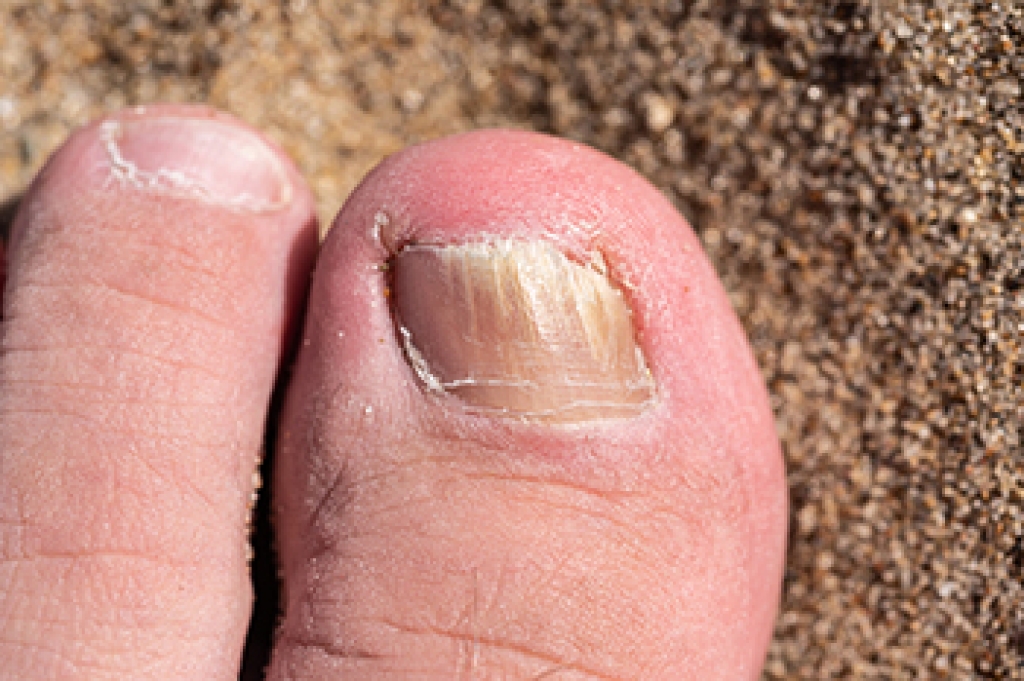
Fungal infections affect the appearance and health of the toenails. The toenail may become thickened, brittle, or distorted. It often turns yellow, white, or brown. In some cases, debris can build up under the nail, and it may lift slightly from the nail bed, causing discomfort or pressure while wearing shoes. This condition develops when fungi enter through small cracks in the nail or surrounding skin. This often occurs in warm, moist environments, such as sweaty shoes or public areas. A podiatrist can examine the nail, confirm the presence of an infection, and determine the most effective treatment. Care may include trimming and thinning of the nail, topical or oral antifungal medication, and guidance on proper foot hygiene to prevent recurrence. Early treatment can improve outcomes and reduce spread to other nails. If you have symptoms of fungal toenails, it is suggested that you make an appointment with a podiatrist.

For more information about treatment, contact Raul Hidalgo DPM of South Texas Foot & Ankle Care. Our doctor can provide the care you need to keep you pain-free and on your feet.

Toenail Fungus Treatment

Toenail fungus is a condition that affects many people and can be especially hard to get rid of. Fortunately, there are several methods to go about treating and avoiding it.

Antifungals & Deterrence

Oral antifungal medicine has been shown to be effective in many cases. It is important to consult with a podiatrist to determine the proper regiment for you, or potentially explore other options.

Applying foot powder on the feet and shoes helps keep the feet free of moisture and sweat.

Sandals or open toed shoes – Wearing these will allow air movement and help keep feet dry. They also expose your feet to light, which fungus cannot tolerate. Socks with moisture wicking material also help as well.

If you have any questions please contact our office located in San Antonio, TX . We offer the newest diagnostic and treatment technologies for all your foot and ankle needs.

Read more about How to Treat Your Toenail Fungus

Connect With Us

scroll to top